Cute Animals Reading Books in Classroom: A Versatile Illustration for Designers
As a professional graphic designer, I’m always on the lookout for design assets that can elevate a project’s visual appeal while staying true to its message. When I first came across Cute Animals Reading Books in Classroom, it immediately caught my eye with its playful yet purposeful aesthetic. This illustration set is more than just charming characters—it's a carefully crafted collection of imagery that can bring warmth and personality to a wide range of creative projects.
A Warm and Whimsical Visual Mood
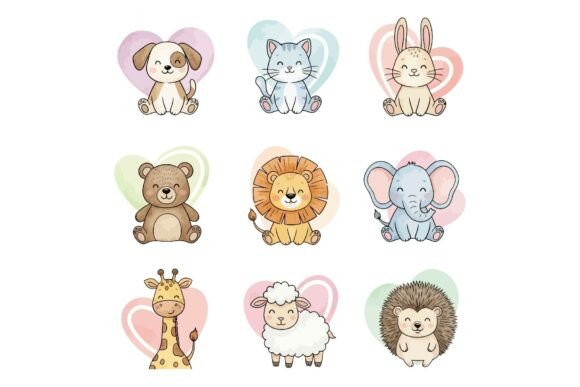
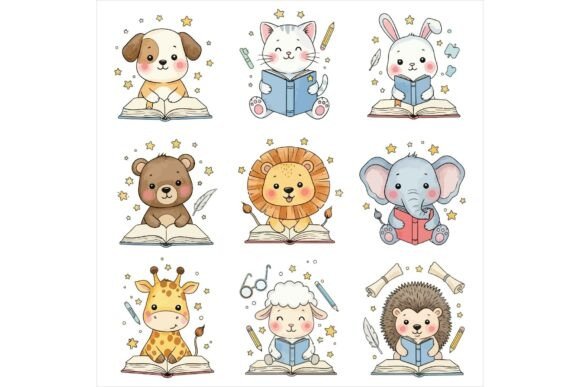
The overall mood created by Cute Animals Reading Books in Classroom leans into nostalgia and gentle learning environments. The animals are stylized with soft outlines and expressive features, giving them an approachable and friendly presence. The classroom setting adds context and familiarity, making these illustrations ideal for educational themes, children’s products, or any brand aiming to communicate values like curiosity, growth, and community.
This style works particularly well for handmade businesses, small business branding, or creative marketplace sellers who want their visuals to feel personal and inviting. The illustrations don’t shout; they whisper—perfect for designs where you want to create emotional connections without overwhelming the viewer.
Real-World Application in Brand Identity and Marketing
Incorporating Cute Animals Reading Books in Classroom into a real client project requires understanding how it fits within different contexts. For instance, if you're working on a brand identity for a children's book store or a literacy nonprofit, this illustration could be a cornerstone of your visual language. It supports storytelling and reinforces the core message of education and joy through reading.
- Logo Design: While not ideal as a standalone logo, it can serve as a supporting element in a logo composition—especially when paired with clean typography and minimal shapes.
- Product Labels & Packaging Design: These illustrations add character to product labels and packaging. They work especially well for eco-friendly, educational, or toy-related products.
- Social Media Graphics: On platforms like Instagram or Pinterest, the whimsical nature of the illustrations helps content stand out and encourages engagement.
- Editorial Design: Perfect for blog posts, newsletters, or magazines targeting parents, educators, or young readers.
Use in Print-on-Demand and Digital Products
If you’re designing for a print-on-demand seller or managing an Etsy shop, this illustration can breathe life into merchandise such as t-shirts, mugs, tote bags, and stickers. Its detail level is appropriate for larger prints, ensuring clarity and charm in final products. For SVG design users, the vector format allows for easy customization and scalability, which is essential when adapting the artwork for various applications.
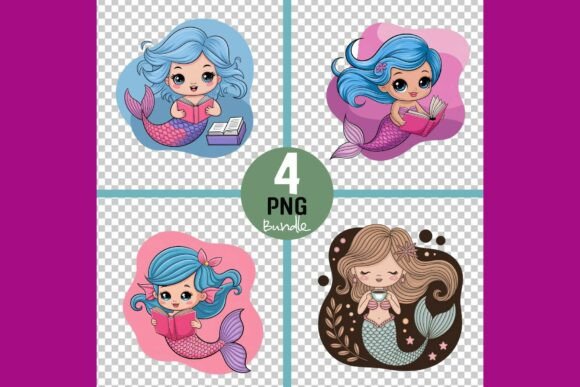
For digital designers using Canva or other tools, the PNG versions included in many illustration bundles offer high-quality transparency. This means the images can blend seamlessly into backgrounds, whether they’re watercolor textures or flat design elements.
Where This Design Asset Shines
These illustrations perform best in areas where visual storytelling is key. Here are some specific use cases:
- Hero Graphics: The size and detail make them suitable for large banners or hero sections on websites and landing pages.
- Themed Collections: Ideal for creating cohesive sets around reading, school, or childhood development.
- Supporting Brand Elements: Use them in sidebars, headers, or footers to maintain a consistent theme without overpowering the main message.
- Printable Wall Art: The classroom setting provides a natural layout for wall art, posters, or flyers celebrating literacy and learning.
- Merchandise Mockups: Pair them with mockup templates to show off how they’ll look on actual products like notebooks, backpacks, or plush toys.
When to Use Carefully
While Cute Animals Reading Books in Classroom has a lot of potential, there are certain scenarios where it might not be the best fit. In minimalist branding or professional corporate materials, the illustrative style could clash with the desired tone. Similarly, in crowded layouts or small sizes, the details may become lost or distracting.
Designers should also consider the background contrast when placing these illustrations. Because the colors tend to be muted and pastel, they may need extra attention when used against complex or low-contrast backdrops. Always test how the illustrations render in black and white too—they might lose impact in grayscale unless intentionally designed with tonal variety in mind.
Impact on Readability and Brand Consistency
One of the most important aspects of using any illustration in commercial design is how it affects readability and visual hierarchy. Cute Animals Reading Books in Classroom is rich in visual interest but doesn't interfere with text legibility if placed thoughtfully. However, when building a visual hierarchy, ensure the illustrations complement rather than compete with key messages or calls to action.
From a brand consistency standpoint, these illustrations can help establish a warm, educational tone. But they should be used consistently throughout all touchpoints—from website graphics to packaging—to avoid confusion or a disjointed look.
Practical Designer Notes Before Going Live
Before integrating Cute Animals Reading Books in Classroom into a real client project, here are some steps every designer should take:
- Test at Various Sizes: Preview the illustrations both large and small to ensure they remain clear and recognizable.
- Check File Formats: If using for print or digital purposes, confirm that SVG or PNG files are available for flexibility. Vector formats allow for easier scaling and editing.
- Review Transparency: For layered compositions or transparent backgrounds, inspect the PNG file for proper alpha channels and no jagged edges.
- Inspect Commercial License: Make sure the asset is properly licensed for commercial use before applying it to logos, product designs, or marketing campaigns.
- Compare with Typography: Try pairing the illustrations with serif, sans-serif, script, and display fonts to see what combinations feel balanced and harmonious.
- Test Print Quality: Especially if used in product mockups or printable designs, check for color accuracy and crispness on physical outputs.
Emotional Appeal and Audience Engagement
What makes this asset truly special is its ability to connect emotionally. The scene evokes a sense of innocence, learning, and shared experiences. For brands targeting families, educators, or child-focused audiences, this kind of emotional resonance can significantly boost audience engagement and trust.
That said, it's crucial to match the tone of the illustrations with the brand voice. If your client is aiming for a modern or edgy look, these might not be the right choice. But for those leaning into cozy, comforting, and community-driven messaging, Cute Animals Reading Books in Classroom can be a powerful tool.
Why This Is a Valuable Creative Asset
As a seasoned designer, I appreciate assets that don’t just look good but also do the job. Cute Animals Reading Books in Classroom is one of those rare finds—an illustration that feels authentic, versatile, and ready to support multiple facets of a project. Whether it’s part of a design bundle or a single clipart piece, it brings a human touch that's often missing in overly digital or sterile visuals.
Its adaptability extends beyond simple uses. Think about how it could enhance a sublimation design on fabric, or how it might fit into a Cricut project for handmade cards and decorations. The possibilities are vast, and the charm remains intact across applications.
Ultimately, the decision to use this illustration depends on the project's goals. But for those looking to infuse warmth, relatability, and a touch of fun into their graphic design assets, Cute Animals Reading Books in Classroom is a solid option worth considering.
🔗 You Might Also Like