Cute Animals Eating Food Illustrations: A Designer’s Perspective
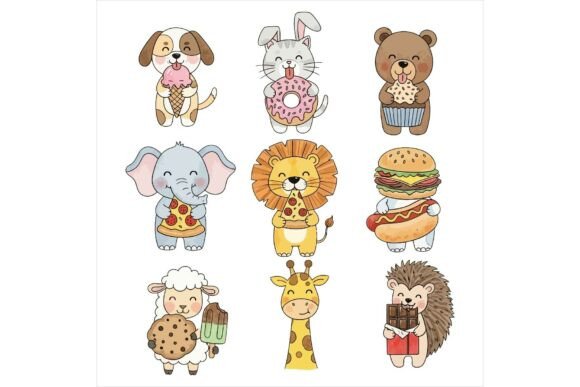
When I first came across the Cute Animals Eating Food Illustrations, I was immediately drawn to their whimsical charm and playful storytelling. These illustrations don’t just depict animals enjoying a meal—they evoke warmth, humor, and a sense of lightheartedness that can instantly elevate the visual mood of any design project. As a professional graphic designer who regularly works with branding, packaging, and social media content for small businesses, I know how crucial it is to choose assets that align with the intended tone and audience. The Cute Animals Eating Food Illustrations are one such asset that stands out for its ability to add personality and emotional resonance without overwhelming the composition.
Style and Visual Mood: Perfect for Themed Projects
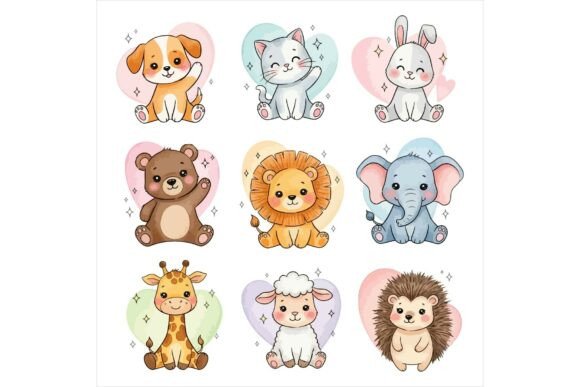
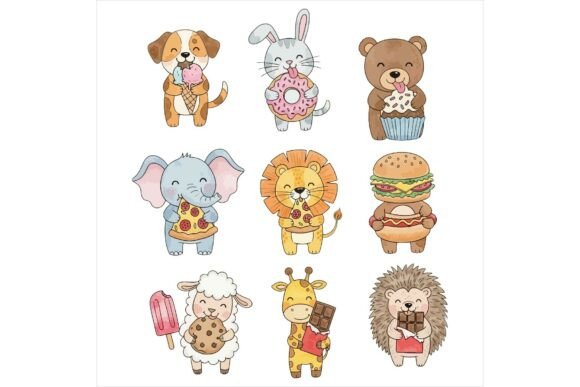
The style of these illustrations leans toward a soft, hand-drawn aesthetic with rounded shapes and gentle color palettes. This gives them a modern yet nostalgic feel—ideal for handmade brands, boutique product lines, or seasonal campaigns. The animals are rendered in a way that feels approachable and friendly, while the food elements are stylized enough to be engaging but not overly detailed. It's this balance between simplicity and expressiveness that makes the collection versatile for a range of creative applications.
For clients targeting a family-friendly audience or those selling artisanal goods, these illustrations naturally fit into the visual language. They create an atmosphere of joy and comfort, which can help build brand trust and familiarity. However, they may not suit every project. If you're working on something more corporate or minimalist, the playful nature of these illustrations could clash with the desired tone.
Applications in Brand Identity and Packaging Design
In logo design and brand identity work, the Cute Animals Eating Food Illustrations can serve as supporting visuals or even be simplified to form the core of a mascot or icon. For a local bakery or a healthy snack company launching an Etsy shop, incorporating these characters into labels, packaging design, or product mockups adds a delightful touch that customers will remember.
On posters and flyers, especially for events like food festivals, kid-friendly workshops, or community gatherings, these illustrations help set the scene quickly. Their expressive nature supports the narrative of the event and encourages engagement. When used in editorial design—such as recipe cards or blog posts about wholesome living—they reinforce the message visually, making the content more inviting and shareable.
Performance in Digital and Print Projects
As a digital seller or print-on-demand creator, the file formats included in the design bundle are essential. The Cute Animals Eating Food Illustrations typically come in SVG and PNG varieties, both of which perform well in different contexts. SVG files allow for easy editing, scaling, and customization, making them ideal for Cricut projects, sticker design, and t-shirt design where layer adjustments might be needed. PNGs, especially those with transparent backgrounds, offer flexibility when placing illustrations over varying design elements.
Testing the illustrations at various sizes is important. While they look fantastic in large layout areas such as hero graphics or printable wall art, they can lose clarity if shrunk too much for small business branding or product labels. Always preview them at 50% scale or less to ensure details remain legible and the character remains intact.
For web design and social media graphics, these illustrations enhance user experience by adding visual interest. On Instagram posts or Pinterest pins, they act as eye-catching elements that stop users in their scroll. In Canva templates, they’re a great addition to infographics or marketing visuals for small businesses promoting seasonal offerings or lifestyle products.
Design Considerations for Maximum Impact
- Contrast Check: Before finalizing use, test the illustrations on both light and dark backgrounds. Some color variations may not stand out clearly against certain tones.
- Black and White Testing: If your client requires grayscale options (for example, in a booklet or merchandise), make sure the line work and shading still communicate the same cuteness and clarity.
- Commercial Licensing: Always confirm the commercial license terms before using these illustrations in a client project or selling them as part of a digital product. Many designers overlook this step, which can lead to legal issues down the line.
- Font Pairing: These illustrations pair best with handwritten fonts, script styles, or display typefaces that match their artistic vibe. Using them alongside serif or sans-serif fonts can dilute their effect unless done intentionally for contrast.
- Print Quality: For print-on-demand sellers, verify that the illustrations hold up under high-resolution printing conditions. File quality and vector accuracy are key here, particularly for sublimation design or fabric-based items like tote bags and mugs.
Where These Illustrations Shine
The Cute Animals Eating Food Illustrations excel in environments where a cheerful and thematic visual presence is needed. Here are some of the best use cases based on my experience:
- Hero Graphics: Use them as central elements in website headers or landing pages for a handmade business launch. Their vibrant colors and engaging scenes draw attention and support the overall design direction.
- Themed Collections: Ideal for themed product lines such as breakfast sets, lunch boxes, or dinnerware. They help unify the collection and give it a cohesive, story-driven feel.
- Editorial and Blog Visuals: Add life to articles or blog posts about nutrition, cooking, or pet care. They break up text and guide the reader’s eye through the content smoothly.
- Merchandise and Sticker Designs: Whether you're creating a Cricut project or designing stickers for a boutique store, these illustrations bring a level of detail and charm that appeals to crafters and collectors alike.
- Social Media Campaigns: Especially useful for Instagram stories or Facebook ads related to food delivery services, pet accessories, or children’s products. They encourage interaction and help maintain a consistent visual theme across platforms.
Where Caution Is Advised
While these illustrations have broad appeal, there are scenarios where their use should be carefully considered:
- Minimalist Branding: Clients aiming for a clean, modern design may find the illustrations too busy or childish. In such cases, use them sparingly or consider alternative design assets.
- Crowded Layouts: Avoid placing multiple illustrations close together in complex designs. They can distract from the visual hierarchy and reduce readability, especially in digital ads or informational posters.
- Corporate Materials: Unless the brand has a very specific playful persona, these illustrations might not be appropriate for professional presentations, reports, or formal proposals.
- Low-Contrast Backgrounds: Make sure the illustration doesn’t get lost against similar-colored backdrops. Adjust opacity or overlay with a subtle gradient if necessary.
Emotional Appeal and Audience Engagement
One of the standout qualities of Cute Animals Eating Food Illustrations is their emotional impact. The expressions on the animals’ faces, combined with their food choices, tell a mini-story that resonates with viewers. This kind of storytelling is powerful in design—it helps create a connection between the brand and its audience. For marketers and content creators, this means higher engagement rates and better recall value. Customers don’t just see a product; they feel something positive about it.
That said, the illustrations shouldn’t overshadow the primary message of the project. In logo design or brand identity, they work best as accents rather than focal points. Maintaining a clear visual hierarchy ensures that the brand name or call-to-action isn’t lost in the whimsy.
Practical Notes for Professional Designers
Before integrating the Cute Animals Eating Food Illustrations into a real client project, take the time to review the following:
- Inspect each illustration for consistency in style and quality. Are there variations in linework or color treatment? This affects brand recognition and visual trust.
- Test placement on real-life mockups—like a coffee mug, a T-shirt, or a product box—to see how they look in context. Sometimes what looks good on screen doesn’t translate well to physical items.
- Check for transparency in PNG files. If the background isn't cleanly removed, it could complicate layering in web design or other layered compositions.
- Confirm that SVG versions are editable in your preferred software. Not all vectors are created equal, and some might require cleanup before being used in merchandise or print-on-demand projects.
Why Choose These Illustrations?
For a designer juggling multiple client needs, having access to a high-quality, emotionally rich design asset like the Cute Animals Eating Food Illustrations can streamline the creative process. They’re perfect for adding a touch of personality to otherwise flat layouts, especially in the handmade business and creative marketplace niches. They also support a wide range of file uses, making them a valuable addition to any designer's toolkit.
If you're looking to create a warm, welcoming visual environment for your client’s brand, these illustrations can do more than just fill space—they can shape perception and foster customer loyalty. Just make sure they align with the brand’s voice and that they're applied thoughtfully within the design framework.
Final Thoughts for Creative Professionals
The Cute Animals Eating Food Illustrations aren’t just another clipart-style graphic; they’re a curated collection of visual elements that speak directly to the heart of many small business branding efforts. From product packaging to digital ads, they provide a unique blend of fun and professionalism that’s hard to replicate with stock photos or generic icons.
As with any graphic design asset, success comes down to thoughtful application. Test them in different scenarios, respect their stylistic boundaries, and always ensure they meet the technical requirements for the intended use. When done right, they can transform a basic design into a memorable, emotionally driven piece that truly represents the brand’s values and mission.